Miao New Year
Introduction
The Miao New Year is a significant traditional celebration for the Miao ethnic group, one of the largest ethnic groups in China. This festive occasion is deeply rooted in the customs and cultural heritage of the Miao communities, especially in the southwestern provinces of Guizhou, Yunnan, and Sichuan. The Miao New Year is celebrated annually, with the date determined by the lunar calendar, typically occurring in November or December. It was officially recognized as a national intangible cultural heritage in 2008, underlining its cultural importance.
Cultural Significance
For the Miao people, the New Year is not just a time of festivity but also a spiritual occasion. The festival represents renewal, a time to honor ancestors and to pray for good fortune, prosperous harvests, and the well-being of the community. It is a moment when Miao traditions come to the forefront, with rich displays of music, dance, and ritual activities. The Miao New Year is an expression of gratitude to the land, the spirits, and nature, making it both a communal and religious event.
Key Features and Celebrations
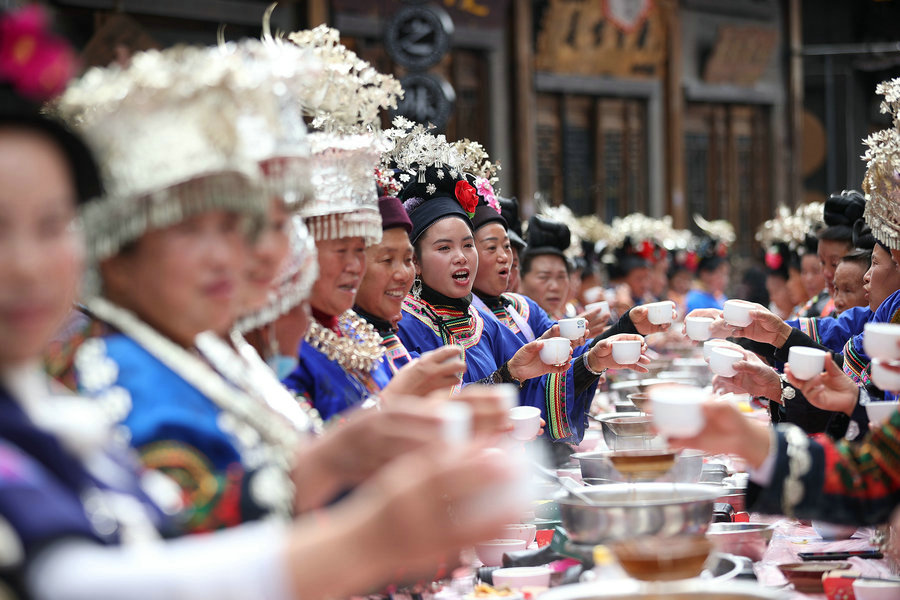
The Miao New Year celebrations are famous for their vibrancy and unique cultural expressions. One of the central elements of the festival is the music played on traditional instruments, such as the lusheng, a reed-pipe wind instrument. The lusheng's haunting melodies are often accompanied by lively dances performed by men and women in their finest traditional costumes, which are usually adorned with silver jewelry and embroidered fabrics. These performances are not only a form of entertainment but also a symbolic gesture for good harvests and blessings for the coming year.
Another defining feature of the celebration is the communal feasts and exchanges of gifts, which strengthen social bonds. Villagers come together to prepare traditional foods, such as sticky rice cakes and various meat dishes, which are shared during the festival. The celebratory mood is further heightened by a series of parades, where Miao people, dressed in colorful attire, march through the streets, sometimes accompanied by dancing and singing.
Traditions
The Miao New Year includes numerous customs and rituals that vary slightly by region but often center around paying respects to ancestors and spirits. One of the most important traditions is the sacrifice to gods and ancestors, performed to ensure prosperity and a favorable new year. The Miao people believe that their ancestors' blessings help protect them and bring good fortune for the year ahead. Families often clean their homes before the festivities, symbolizing the removal of bad luck and the welcoming of a fresh start.
The Miao people's traditional costumes are a distinctive feature of the New Year celebrations. Women typically wear elaborate embroidered dresses, adorned with silver ornaments, while men don similarly detailed garments. Silver jewelry, in particular, plays an important symbolic role, representing wealth, protection, and the Miao people's rich cultural heritage. The costumes are not only aesthetically striking but also reflect the deep cultural identity of the Miao ethnic group. The attire is often passed down through generations, making it a vital part of the festival's continuity.








